S
Slidebean·TechWhy We All Gave Up On Smart Homes
TL;DR
Smart homes failed due to incompatible protocols, walled-garden ecosystems, poor business models, and privacy risks — but open-source Home Assistant offers a local, hackable alternative.
Key Points
- 1.Smart homes have existed since the 1970s but were always closed, expensive systems. Crestron-style pro-installed systems cost $20,000–$100,000 and worked seamlessly precisely because all devices came from one vendor — a luxury unavailable to average consumers.
- 2.X10 (1975) was the first consumer smart home protocol, using power lines to carry data. It was clever but fragile — microwaves and hair dryers disrupted its 60 bits/second signal, there was no encryption, and neighbors' systems could interfere with your lights.
- 3.The core technical problem is too many competing wireless protocols crowding the same frequencies. ZigBee, Bluetooth, and Wi-Fi all fight over 2.4 GHz, causing dropped packets and failed connections, while Z-Wave, Thread, and Matter add further fragmentation.
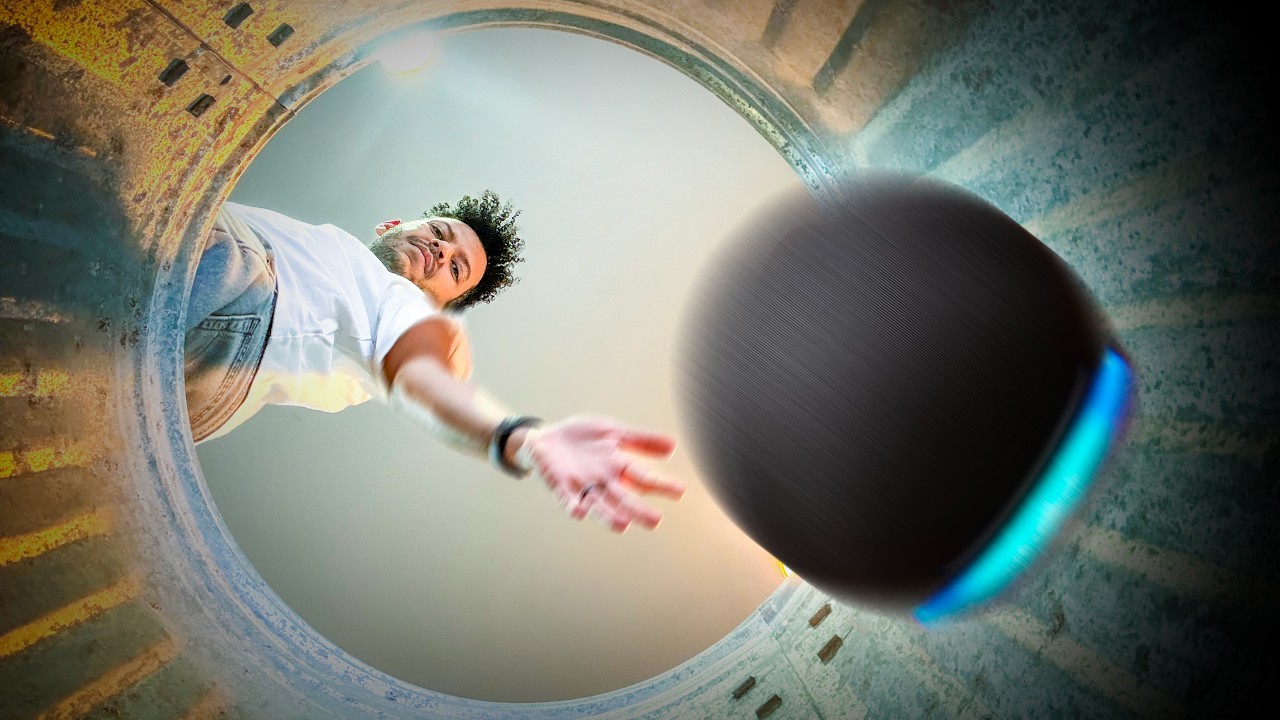
- 4.Alexa's cloud-dependent architecture creates a chain of eight failure points just to unlock a door. Every command travels from speaker → Wi-Fi → Amazon server → Alexa skill → third-party cloud → back to hub → ZigBee → device, versus Siri's direct local Bluetooth.
- 5.Smart home hardware is a structurally bad business with no recurring revenue. A $50–$150 device lasts years without replacement, unlike smartphones; this forces companies to overcharge, sell data, or eventually shut down — turning devices into expensive bricks.
- 6.Lowe's Iris and Staples smart plugs illustrate the walled-garden trap perfectly. Even though both used ZigBee, their hubs refused cross-compatibility, and when both companies discontinued their lines, users were left with non-functional hardware and no recourse.
- 7.Home Assistant is an open-source, local-first smart home OS used by 2 million households as of April 2025. Started by Paulus Schoutsen in 2012, it supports 3,400+ integrations, runs on a Raspberry Pi or repurposed laptop, and eliminates cloud dependency entirely.
- 8.The creator integrated open-source agentic AI (OpenClaw) with Home Assistant locally, naming it 'Hal'. Automations include weather-forecast lights, movie-mode dimming synced to pause/play, and AI-generated Halloween lighting — all processed on-device with no data harvested by third parties.
Continue yapping less
 24:47
24:47Slidebean
yeah... AI just had its iPhone moment
 36:08
36:08Slidebean
Your TV Is Ruining Every Movie You Watch
 1:37
1:37Slidebean
The comeback of a forgotten device
 1:32
1:32Slidebean
Why NASA changed the plan
 21:32
21:32AI Explained
Two Rival Bets on AGI: Google I/O Highlights
 32:37
32:37NetworkChuck
I'm switching to Hermes (goodbye OpenClaw!!)
 17:21
17:21Mrwhosetheboss
I Investigated IKEA's Ridiculously Cheap Tech
 17:59
17:59Linus Tech Tips
Google's Most-Hated Announcement Ever
Life's too short for long videos.
Summarize any YouTube video in seconds.
Quit Yapping — Try it Free →