
P
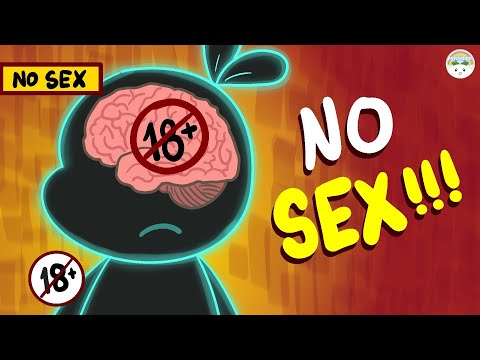
Psych2Go·Health Fitness & LongevityWhat Happens To Your Brain When You Stop Having Sex?
TL;DR
Stopping sex shifts dopamine, oxytocin, and cortisol balance, but the brain adapts fine as long as emotional and social needs are met elsewhere.
Key Points
- 1.Dopamine and oxytocin levels shift but don't vanish. Sex triggers dopamine (motivation, pleasure) and oxytocin (bonding, trust); without it, those sources change, potentially causing lower motivation, reduced emotional closeness, and cravings for other forms of intimacy.
- 2.Cortisol regulation is disrupted for some people. Regular sex helps lower cortisol; without it, some individuals experience increased irritability and tension, though stress responses vary significantly person to person.
- 3.Libido first spikes, then gradually quiets. Short-term, desire increases due to novelty deprivation and the 'want what you can't have' effect; long-term, the brain conserves energy by dialing down unused sexual pathways — not eliminating drive, but lowering its volume.
- 4.Sexual abstinence can shake confidence and self-image. The brain links sex to desirability and worth, so unexpected dry spells can trigger self-doubt; however, no permanent rewiring occurs — unmet emotional and social needs, not sex itself, cause lasting imbalance.
Life's too short for long videos.
Summarize any YouTube video in seconds.
Quit Yapping — Try it Free →