
T
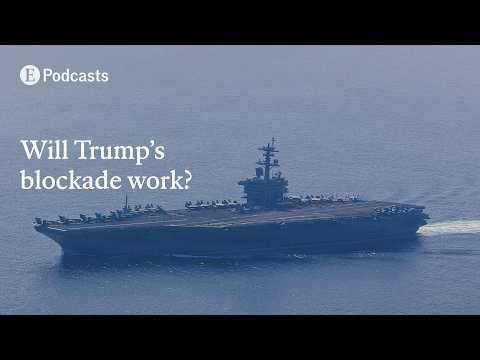
The Economist·News & PoliticsDonald Trump's blockade of the Strait of Hormuz is a dangerous gamble | The Economist
TL;DR
Trump's naval blockade of Iranian shipping risks spiking oil to $150/barrel and triggering escalation without guaranteeing Iran's capitulation.
Key Points
- 1.Trump's blockade mirrors Iran's own tactics. After America and Israel's war on Iran began in February, Trump ordered US Central Command to seize any ships originating from Iranian ports or coastal waters — essentially matching Iran's own toll-booth system enforced by the Revolutionary Guards.
- 2.Iran has survived economic strangulation before. In 2020, Iranian oil exports fell below 400,000 barrels per day under Trump's maximum pressure campaign, yet the regime endured by printing money, selling stored oil to China and Malaysia, and securing credit lines from buyers.
- 3.The blockade threatens allied shipping, not just adversaries. Pentagon rules target any ship using Iranian coastal waters impartially, meaning vessels from China, Pakistan, Thailand, France, and Turkey — many US partners — could be seized, creating serious diplomatic fallout.
- 4.Oil markets face a severe shock if Iran retaliates. If Iran responds by restricting neutral shipping through Hormuz, analysts estimate Brent crude could hit $150/barrel by end of April, compounded by potential Iranian strikes on energy facilities and Houthi re-entry into the conflict.
- 5.Iran likely believes it can outlast the blockade politically. With US midterm elections seven months away, rising gas prices, and Trump's history of stepping back from confrontations, Tehran — a regime that has survived siege conditions since 1979 — calculates it can outlast American domestic political pressure.
Life's too short for long videos.
Summarize any YouTube video in seconds.
Quit Yapping — Try it Free →