M
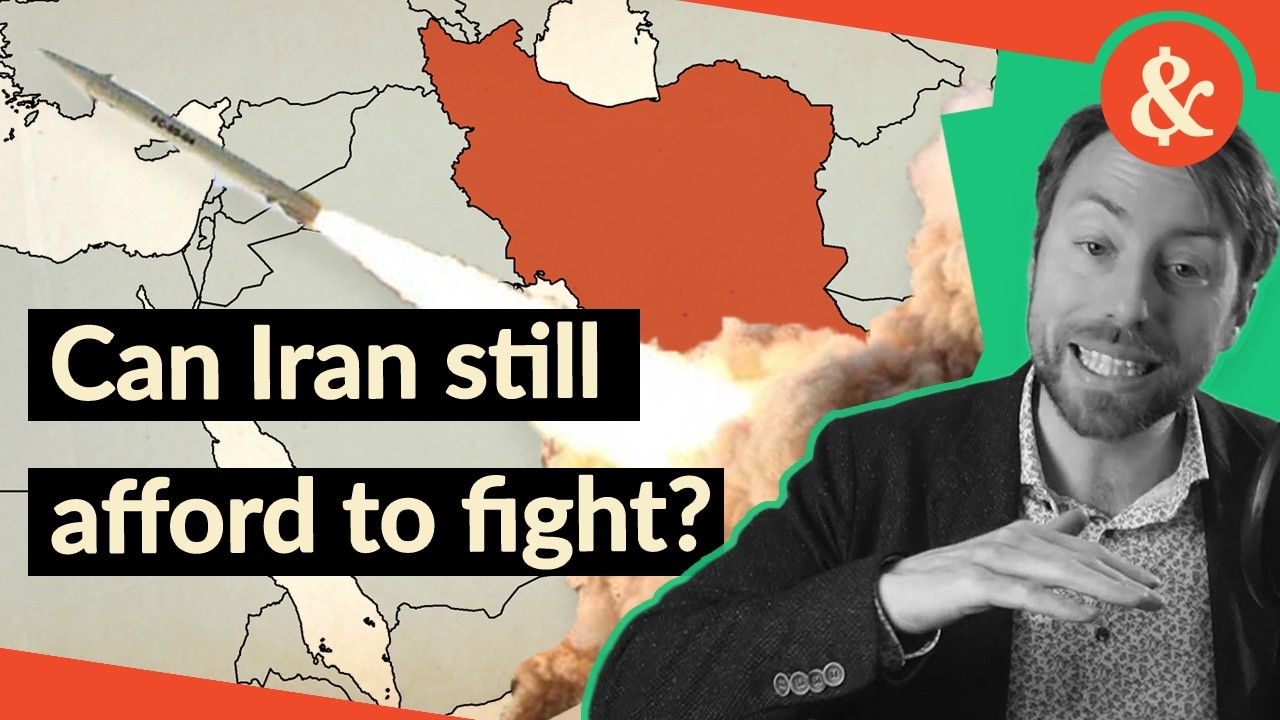
Money & Macro·News & PoliticsCan Iran afford to keep firing so many missiles?
TL;DR
Iran can likely sustain its missile and drone campaign for years despite economic pressure, because threatening the Strait of Hormuz remains cheap even amid hyperinflation.
Key Points
- 1.Iran's missile campaign costs roughly $45 million per day. At ~35 missiles and 110 drones daily, that totals $1.3 billion per month against estimated foreign exchange reserves of only $11 billion.
- 2.War Economics 101 offers three historical lessons. Russia shows resource-rich nations are limited by inflation, not sanctions; WWI Germany shows financial blockades cripple import-dependent economies; WWII Germany shows air supremacy can directly destroy industrial capacity.
- 3.The US and Israel destroyed about 60% of Iran's drone and missile facilities. Remaining launchers are underground and hard to hit; drone production is decentralized in workshops and nearly impossible to eliminate, and Russian factories already produce Iranian drone designs.
- 4.Iran looks like Russia on paper but behaves like wartime Germany due to mismanagement. Despite high unemployment and fuel resources, Iran still imports nearly all its microchips for drone guidance, plus soybeans, corn, and cooking oil, making it vulnerable to the US blockade and 'Operation Economic Fury.'
- 5.The collapsing Iranian rial and food inflation are damaging but unlikely to stop the war. Central banks historically divert foreign currency from civilian imports to war needs; blocking the Strait of Hormuz is cheap enough that the blockade alone probably won't force Iran to stop.
- 6.Modern dictatorships collapse when guards go hungry, not the people. Syria survived hyperinflation from 2013 for over a decade; Venezuela's regime persists similarly — meaning Iran's government can likely endure civilian hardship and keep fighting for years in the current air-threat phase of the war.
Life's too short for long videos.
Summarize any YouTube video in seconds.
Quit Yapping — Try it Free →