
P
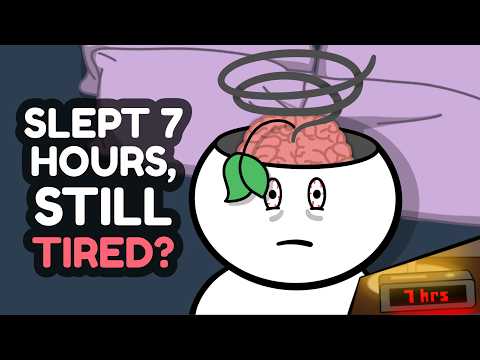
Psych2Go·Health Fitness & LongevityHow to Sleep Less Hours and Wake Up Feeling Refreshed (Psychology-Backed)
TL;DR
Sleep quality matters more than duration — consistent timing, wind-down routines, light exposure, and journaling can make limited sleep feel more restorative.
Key Points
- 1.Sleep cycles, not total hours, determine how rested you feel. The brain moves through 90-minute cycles containing deep sleep (physical recovery) and REM sleep (emotional regulation, memory); fragmented cycles from stress, caffeine, or irregular schedules make even long sleep feel unrefreshing.
- 2.Circadian consistency outperforms chasing a perfect bedtime. Going to sleep and waking at roughly the same time — even on a late-night schedule for night owls — helps the brain enter deeper sleep stages faster by reinforcing the internal clock.
- 3.Wind-down routines must account for anxiety, ADHD, and racing thoughts. Rather than forcing calm, the goal is gradually lowering stimulation through dimmer lighting, predictable background sounds, or a repeated simple sequence that signals to the nervous system it's safe to slow down.
- 4.Journaling externalizes mental load so the brain stops staying on alert overnight. Writing worries, anxieties, or unfinished thoughts gives the mind somewhere safe to put them; light exposure and vitamin D support are also flagged as tools when sunlight access is limited.
Life's too short for long videos.
Summarize any YouTube video in seconds.
Quit Yapping — Try it Free →