
T
The Wall Street Journal·Science & EducationThe Race to Fix Tornado Alley's Dangerous Blind Spots | WSJ Tech Behind
TL;DR
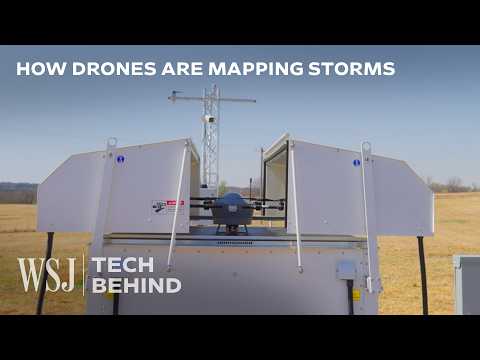
NOAA researchers are deploying sensor-equipped drones in Oklahoma to fill critical atmospheric data gaps that weather balloons and ground stations leave uncovered.
Key Points
- 1.Tornado Alley has massive observation blind spots between weather balloon launch sites. The nearest sites to Norman, Oklahoma are hundreds of miles away in Texas or Kansas, leaving vast gaps in vertical atmospheric data critical for forecasting severe storms.
- 2.Weather balloon launches have been disrupted by National Weather Service budget cuts. Radiosondes carried by helium balloons to 100,000 ft remain the primary source of critical forecast model data, making recent losses in launches a serious threat to forecast integrity.
- 3.NOAA's National Severe Storms Laboratory is testing multiple drone designs to replace or supplement balloons. The 'Meda' hexacopter flies up to 20,000 ft in high winds, while the lower-cost 'CopterSonde' self-aligns with wind direction to accurately ingest and measure atmospheric parameters.
- 4.Drones currently reach 5,000 ft but need 10,000 ft for full operational usefulness. Engineers must overcome rotor turbulence and motor heat contaminating sensor readings; the goal is routine drone data integrated into forecaster workflows to improve tornado warnings and protect lives.
Life's too short for long videos.
Summarize any YouTube video in seconds.
Quit Yapping — Try it Free →