
T
toldinstone·History & GeopoliticsRoman Graffiti in Ancient Egypt
TL;DR
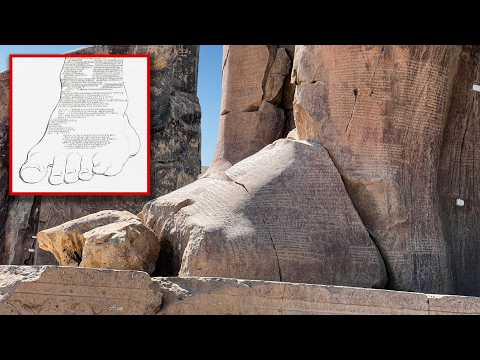
Thousands of Greek and Latin graffiti etched into Egyptian monuments reveal how ancient tourists experienced the Valley of the Kings, the Colossus of Memnon, and the Great Pyramid.
Key Points
- 1.The Valley of the Kings hosted over 2,000 ancient graffiti. KV9 (Tomb of Ramesses V and VI) alone contains nearly 1,000 Greek, Latin, and Coptic inscriptions, recording visitors from Rome, Athens, Syria, Persia, and even an Armenian prince, ranging from lawyers to a high priest of Eleusis.
- 2.Visitor reactions in the tombs ranged from awe to total indifference. While most writers expressed wonder at the scale and paintings, one graffito flatly states 'there is nothing remarkable here,' and another complained about unreadable hieroglyphs — prompting a reply of 'Who cares?'
- 3.The Colossus of Memnon drew crowds for two centuries due to a supernatural sound. An earthquake under Augustus cracked the 700-ton statue, causing it to emit a harp-like sound at sunrise; 107 graffiti survive on its legs, including six epigrams commemorating Emperor Hadrian's visit on November 20–21, 130 AD.
- 4.39 poems were carved into the Colossus, mostly showcasing literary prestige. One poet named Arius composed all four lines from Homer's Iliad; nine Roman prefects of Egypt also left inscriptions, and some dignitaries brought professional poets to produce verses on their behalf.
- 5.A Latin poem on the Great Pyramid mourned the senator Decimus Terentius Gentianus. Written by his sister Terentia, who likely accompanied Hadrian to Egypt in 130 AD, the poem echoed Horace and Catullus and commemorated a decorated war hero Hadrian once considered as his successor — preserved only in medieval textual sources after the casing stones vanished.
Life's too short for long videos.
Summarize any YouTube video in seconds.
Quit Yapping — Try it Free →