K
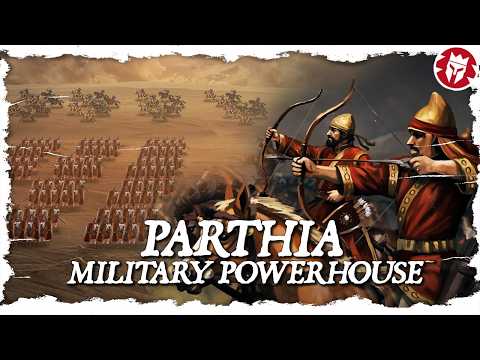
Kings and Generals·History & GeopoliticsParthian Army: Rome’s Toughest Rival
TL;DR
The Parthian military was a sophisticated, multi-layered force far more organized than scholars once assumed.
Key Points
- 1.Standing Army Myth Debunked: The Parthians did have a permanent force — the royal guard corps (*gund ī Shahanshah*), decimally organized and numbering 4,000–6,000 in practice, supported by Greek, Sarmatian, and Saka mercenaries.
- 2.Noble Clans as Military Power: Great landowning families like the Suren and Karin clans could field 10,000+ soldiers independently — the Suren clan specifically defeated Crassus at Carrhae in 53 BCE with a 10,000-man force including 1,000 cataphracts.
- 3.Recruitment Systems: The Parthians inherited Seleucid (*Klereukhoi*) and Achaemenid (*Ḫaṭru*) land-grant systems, creating a large trained reserve — soldiers given land in exchange for military service, similar to a modern national guard.
- 4.Cavalry Tactics at Carrhae: Horse archers used wheeling encirclements resupplied by camel-carried arrow quivers, while cataphracts delivered massed charges; feigned retreats lured enemies out of formation for complete envelopment.
- 5.Underrated Infantry: Parthian infantry used large shields, heavy javelins, spears, and swords in mixed formations — capable enough that Romans modified their own tactics specifically to counter them in the eastern theater.
- 6.Why Parthia Failed: Rome's superior economic engine sustained a permanent standing army; Parthia's reliance on mustered territorial forces slowed response times, the freeholder class eroded, client kingdoms caused internal conflict, and a final civil war left them vulnerable to the Sasanian overthrow.
Life's too short for long videos.
Summarize any YouTube video in seconds.
Quit Yapping — Try it Free →