
P
Psych2Go·Relationships & DatingThis Isn't Love… It's Lust (And It's Fooling You)
TL;DR
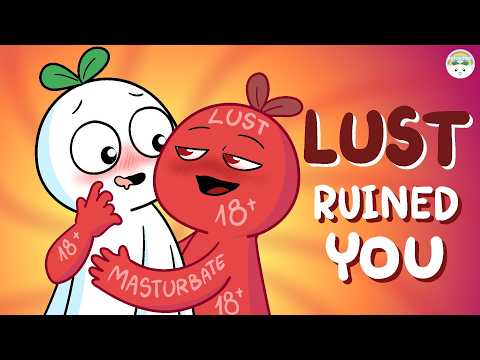
Lust hijacks your brain's dopamine reward system, triggering cognitive biases like the halo effect that cause smart people to rationalize obvious red flags.
Key Points
- 1.Dopamine makes your brain treat attraction like an addiction. When you feel strong lust, your brain releases dopamine — the same chemical triggered by video games or social media likes — creating tunnel vision that filters out contradicting information.
- 2.The halo effect and narrative bias distort your judgment. Physical attraction makes you unconsciously assume someone is kinder and more trustworthy, while your brain also constructs a romantic 'story' it then works to protect, reframing red flags as misunderstandings.
- 3.Emotional intensity and the scarcity effect mimic genuine connection. The excitement and nervousness of lust feel like compatibility, and emotionally distant or unpredictable partners feel more desirable — like rare video game items — when they may simply be incompatible.
- 4.Outsiders and your own intuition see red flags first, so slow down. Friends, unaffected by your dopamine, spot warnings easily; your gut also senses problems early but attraction overrides it — asking 'do their actions match their words?' can restore clarity.
Life's too short for long videos.
Summarize any YouTube video in seconds.
Quit Yapping — Try it Free →