C
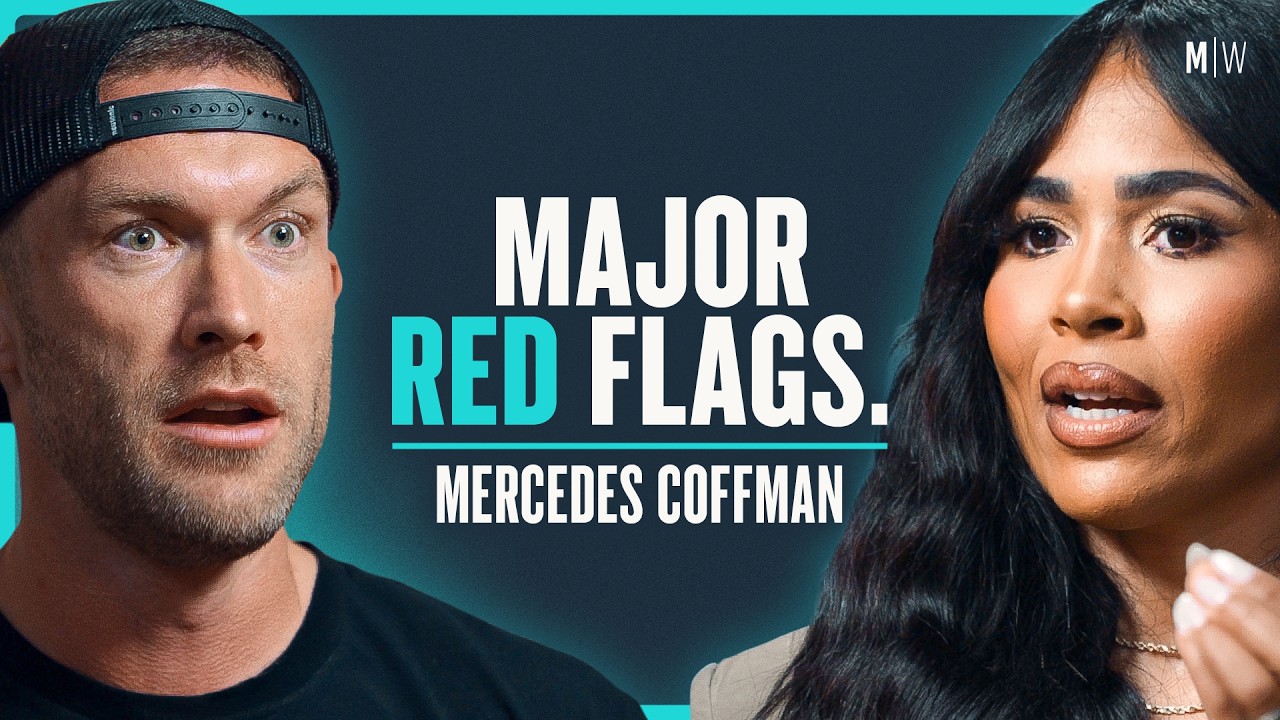
Chris Williamson·Relationships & DatingThe Brutal Truth About Why They Keep Pulling Away - Mercedes Coffman
TL;DR
Avoidant culture and dating apps reward emotional unavailability, trapping emotionally available people in nervous-system-damaging attachment cycles with partners who lack relational capacity.
Key Points
- 1.Avoidant culture is reshaping dating by rewarding people who avoid effort and consistency. Dating apps are built around novelty and dopamine — new matches daily — which systematically favors emotionally unavailable people who want stimulation without investment.
- 2.Being with an avoidant person causes real physiological harm. The lovebombing-then-withdrawal cycle spikes cortisol, triggering micro-grief, fatigue, mood disorders, sleep disturbances, and appetite disorders in the emotionally available partner.
- 3.Modern dating punishes emotionally available people structifically. Emotionally unavailable people thrive on swipe culture's dopamine loop, while emotionally available people seeking consistency find the system actively works against them.
- 4.Coffman is developing a dating app specifically for emotionally available people. She sees a gap because current apps have zero accountability, high disposability, and no assessment of conflict repair, love language, or emotional maturity.
- 5.The MOP framework helps prevent biochemical hijacking in early dating. Match effort, Observe patterns, and Pace access — slowing physical access in particular prevents the dopamine spike that destroys mental clarity and fuels addiction-like attachment.
- 6.Emotional availability, capacity, and maturity are the gold standard for partner assessment. Availability means having time; capacity means tolerating discomfort without withdrawing; maturity means managing rejection without aggression — all detectable early in dating.
- 7.Desire routinely outpaces capacity in modern relationships. Partners who were emotionally present at the start can hit their limits once consistency and future-planning are required, revealing a mismatch that isn't malicious but is still incompatible.
- 8.Romantic movies like The Notebook and media like romance novels set unrealistic emotional standards. Coffman agrees women were 'finessed' into craving intensity over stability, paralleling how porn and OnlyFans distort men's expectations — both inflate desires beyond realistic partners.
- 9.Ghosting has normalized rejection to the point of creating widespread self-sabotage. A 2021 Journal of Couples and Relationship Therapy study of ~700 people found 63% self-sabotage relationships, driven by fear of rejection and low self-esteem reinforced by anonymous ghosting.
- 10.Growing emotional capacity requires sitting through discomfort rather than avoiding it. Practices include tolerating anxious conversations, maintaining work-life balance to prevent cortisol overload, and stabilizing the nervous system through meditation and consistent exercise.
- 11.Unresolved trauma shows up as reactivity in intimate relationships, not necessarily as dramatic past events. Hypervigilance waiting for abandonment causes people to subconsciously reinjure their wounds — the clearest signal is getting triggered by simple comments as intimacy deepens.
- 12.Rebuilding self-trust starts with self-reflection after each relationship and building emotional vocabulary. Coffman recommends an emotional wheel to identify nuanced feelings, arguing that self-abandonment — outsourcing internal awareness to external validation — is the root of lost self-trust.
Life's too short for long videos.
Summarize any YouTube video in seconds.
Quit Yapping — Try it Free →